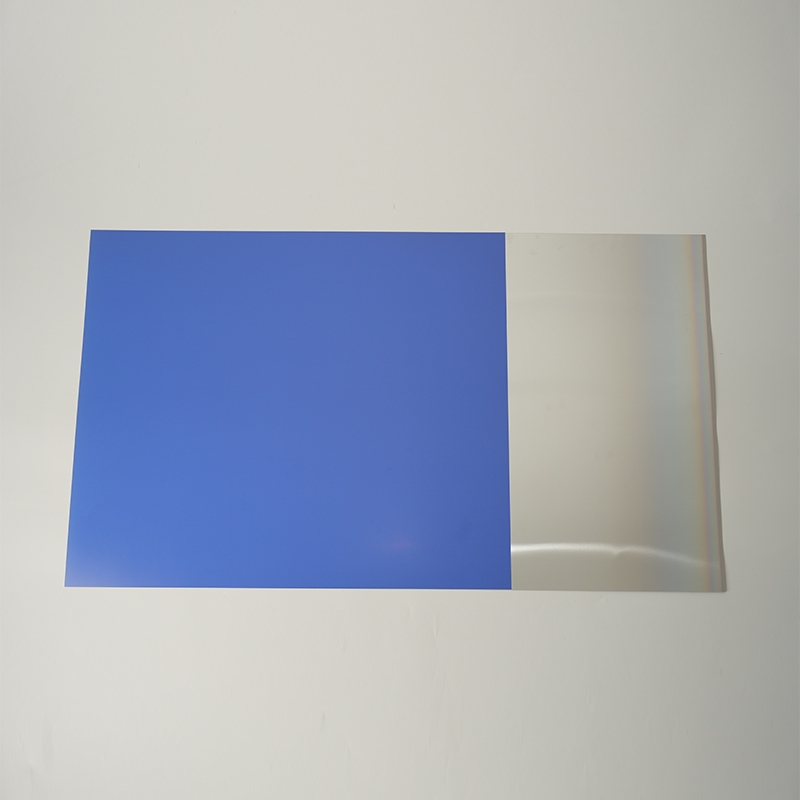
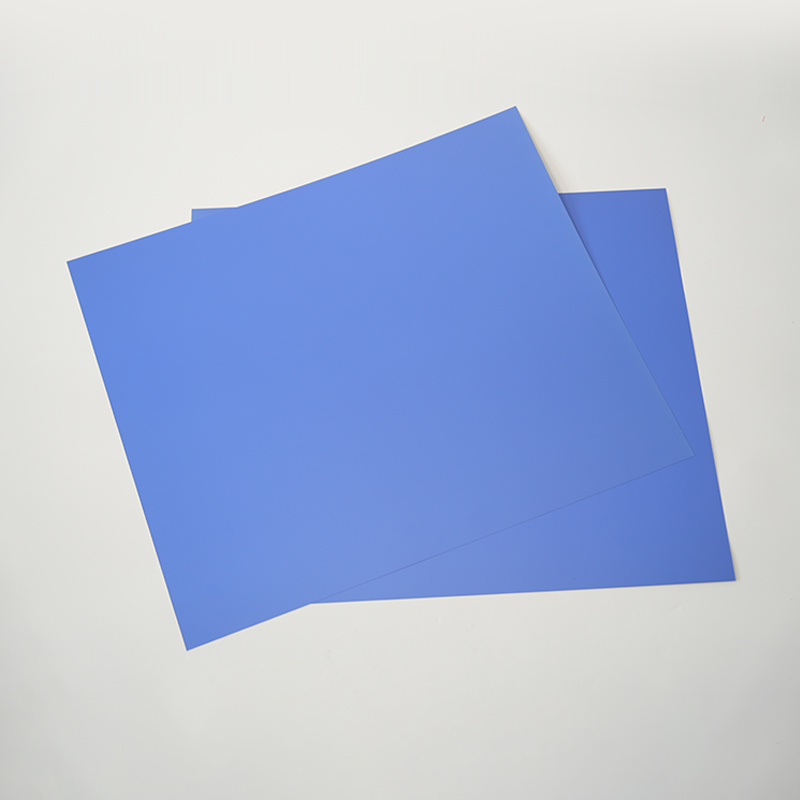
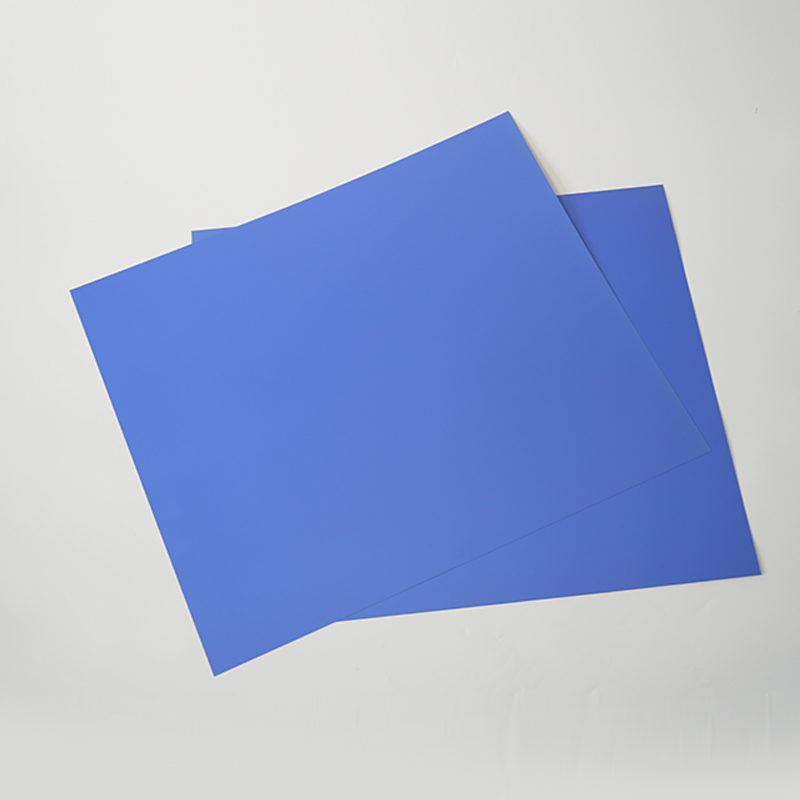
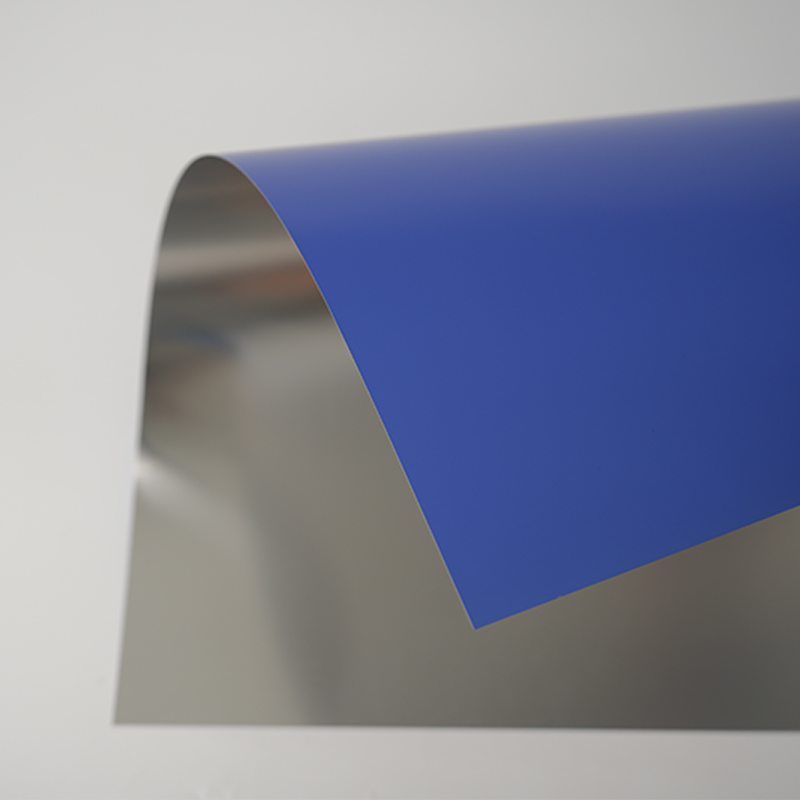
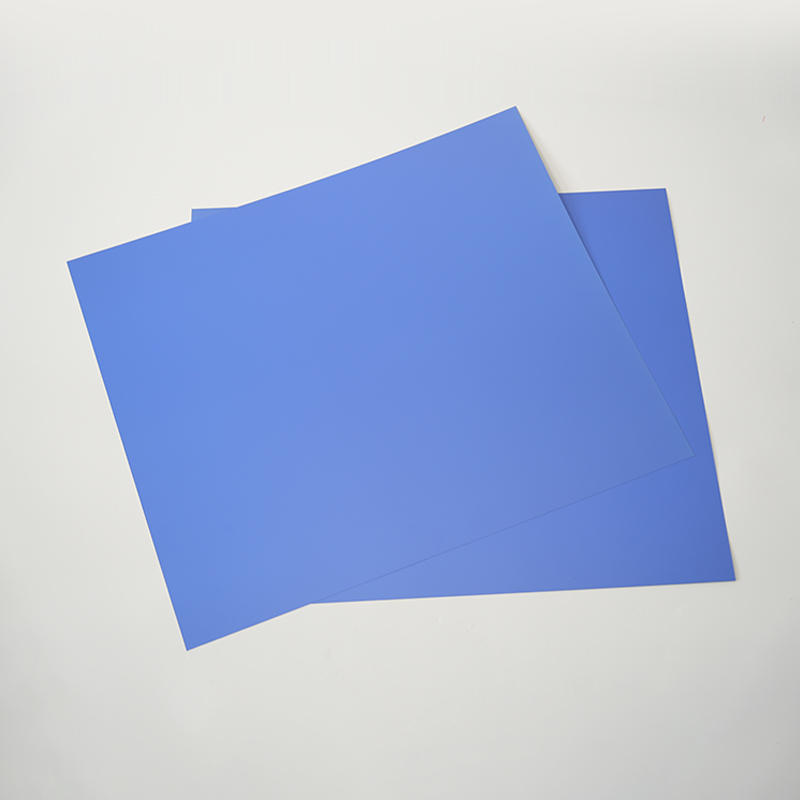
As more print businesses seek to deliver consistently high-quality, long-run results while simplifying their platemaking process and reducing dependence on chemical processing equipment, the On-press Developable Process-Free Plate has emerged as a premium solution built to meet exactly that dual demand — combining a chemistry-free workflow with dependable print performance, making it an excellent choice for sheetfed, packaging, web, and all UV printing applications.
Non-Ablative and Process-Free — No Debris Extraction System Required. This plate uses a non-ablative, thermal, negative-working (write-through) imaging process, allowing it to go directly to press after imaging without any traditional chemical processing step. It also eliminates the need for a separate debris extraction system, significantly simplifying the equipment setup and workflow in the platemaking department. This reduces both maintenance costs and environmental processing burdens, representing an important step toward greener, more sustainable printing operations.
Engineered for High-Quality, Long-Run Applications. Positioned as a high-quality, long-run plate, this product is well suited to sheetfed printing, packaging printing, web printing, and all UV printing applications, meeting the demanding requirements for image precision and durability across a wide range of production scenarios and making it a versatile solution for diverse printing environments.
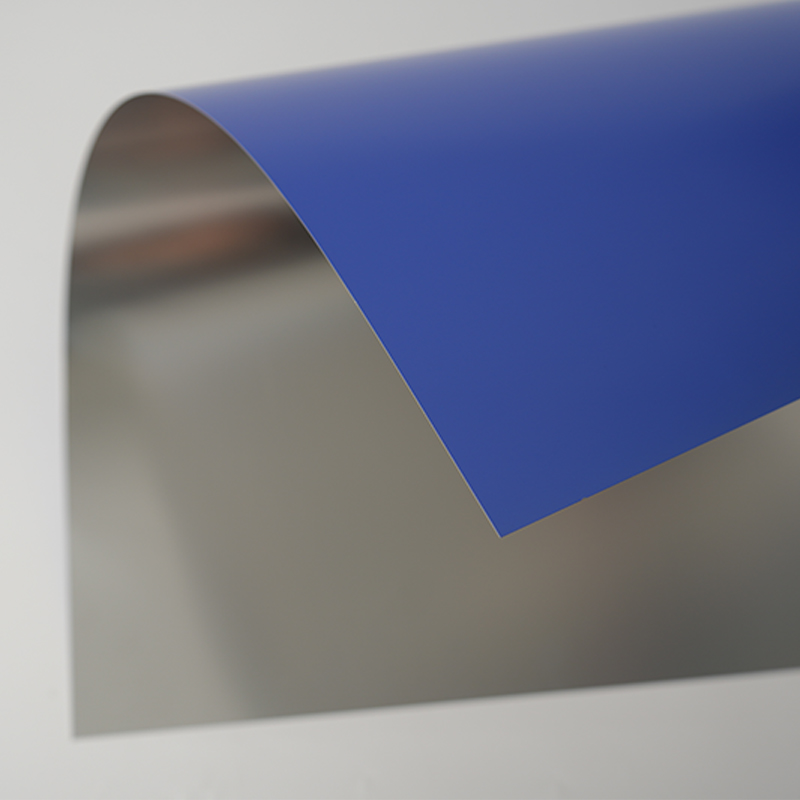
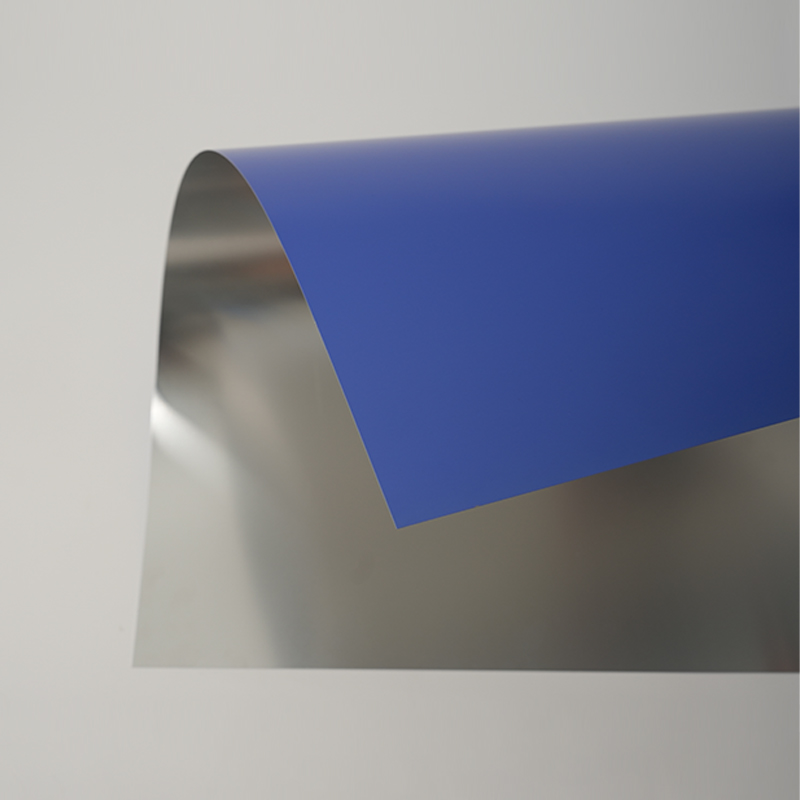
Solid Substrate Construction with Multiple Thickness Options. The plate is built on an electro-grained and anodized aluminum base, providing excellent dimensional stability, wear resistance, and hydrophilicity. It is available in four thickness options — 0.15mm, 0.20mm, 0.30mm, and 0.40mm — allowing flexible matching with different platesetters and press configurations to meet varied needs, from standard commercial printing to packaging applications.
Precise Spectral Sensitivity and Broad Equipment Compatibility. With a spectral sensitivity of 800-850nm, the plate is recommended for use with Kodak Trendsetter, Ultrasetter, Achieve, and Dominant series direct-to-plate imaging systems. In addition, the Tengri X plate is compatible with direct-to-plate imagers from all major suppliers, offering print operations greater flexibility in equipment selection. In terms of exposure, when imaged on Kodak platesetters equipped with Kodak Squarespot imaging technology, the required laser energy is 120 mJ/cm², and maximum productivity can be achieved on the vast majority of platesetter models.
Strong Screening Performance Balancing Precision and Efficiency. The plate supports amplitude-modulated screening from 1% to 99% at 200lpi, along with frequency-modulated (FM20) screening capability of up to 450lpi, with actual performance depending on the imaging equipment used — making it well suited to printing projects that demand fine image detail and rich tonal reproduction.
Excellent Run Length Across Multiple Printing Processes. In heatset and commercial coldset web printing applications, the plate can achieve run lengths of up to 400,000 impressions; in sheetfed printing applications, up to 200,000 impressions; in offset packaging applications using non-UV inks, up to 100,000 impressions; and in UV ink applications, up to 75,000 impressions. Actual run length performance will vary depending on image resolution, press type, printing chemistry, ink type, and paper stock conditions.
Flexible Safe-Light Handling for Streamlined Workflow Management. The plate offers clearly defined safe handling times under different lighting conditions: 2 hours under white light, extending to 16 hours under C20 UV-filtered lighting, and up to 48 hours under G10 yellow light. This flexibility gives platemaking staff greater scheduling freedom and helps improve overall production efficiency.
In summary, the On-press Developable Process-Free Plate combines a chemistry-free workflow, multiple thickness options, broad equipment compatibility, and strong run-length performance, making it an ideal choice for high-quality, long-run production across sheetfed, packaging, web, and UV printing applications — helping print operations move toward greener production while boosting overall workflow efficiency.






 Tel: +086-512-52989621
 E-mail: yuanld1001@163.com
 Add: No. 107, Dahe Industrial Park, Shanghu Town, Changshu City, Suzhou, China

 TOP
TOP